Jacob Jeppson, PT, DPT
Orthopedic Physical Therapist
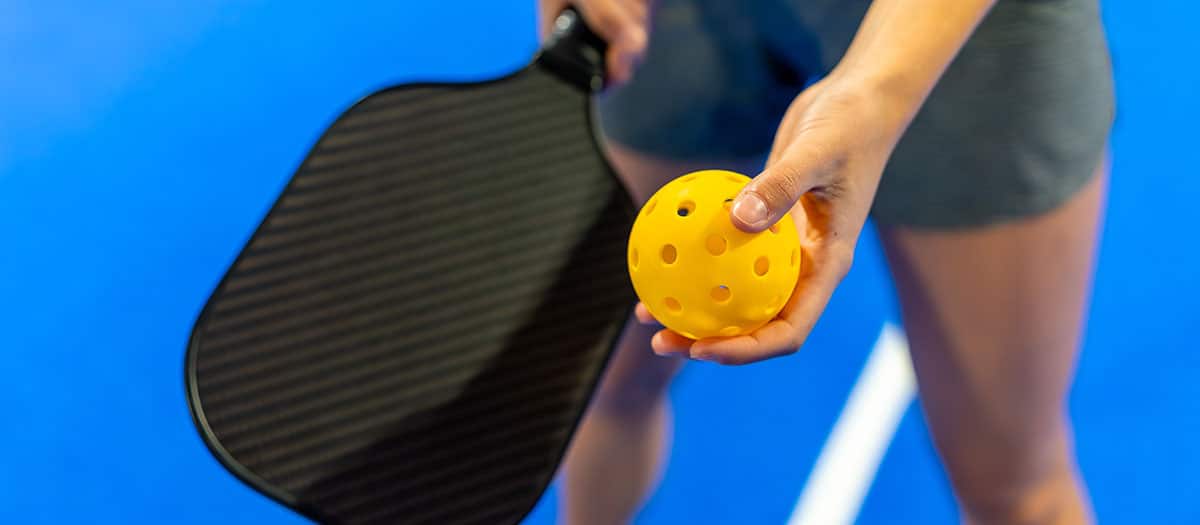
Pickleball courts across Tucson are packed this time of year, and local golf courses stay busy throughout the winter and spring. Staying active is one of the best things you can do for your health—but the increase in activity also brings a common complaint we see at Sol Physical Therapy:
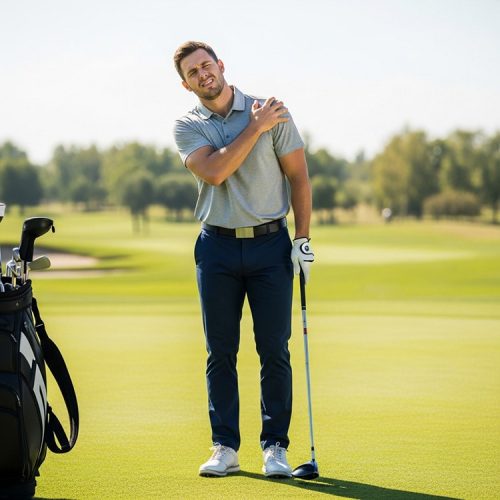
Shoulder pain that starts as “just soreness”… and doesn’t go away.
If you’re experiencing lingering shoulder pain after pickleball or golf, it may be more than normal muscle fatigue. It could be your rotator cuff signaling that something isn’t working the way it should.
Understanding the difference between normal soreness and a developing injury can help you address the issue early and stay active without long-term problems.
What Is the Rotator Cuff?
The rotator cuff is a group of four muscles and tendons that stabilize the shoulder and control many of its movements. These muscles allow you to lift your arm, rotate your shoulder, and maintain stability during overhead or swinging motions.
In sports like pickleball and golf, the shoulder repeatedly performs:
- Rotational swings
- Rapid acceleration and deceleration
- Overhead movements
- Follow-through motions

Over time, these repetitive movements can overload the tendons that make up the rotator cuff.
Normal Soreness vs. Rotator Cuff Injury
Feeling sore after playing a sport—especially if you’ve increased activity or returned after time off—is completely normal.
However, certain symptoms may indicate a developing rotator cuff issue.
Signs it may be more than soreness:
- Pain lasting longer than a few days
- Pain when lifting your arm overhead
- Shoulder weakness during swings or lifts
- Pain when sleeping on that shoulder
- Clicking, catching, or sharp pain during activity
These symptoms can be associated with conditions such as:
- Rotator cuff tendinitis
- Shoulder impingement
- Tendon irritation or inflammation
- Partial rotator cuff tears
The sooner these problems are addressed, the easier they are to resolve.
Why Pickleball and Golf Often Trigger Shoulder Pain
Both pickleball and golf place significant stress on the shoulder through repetitive motion.
In pickleball, quick overhead shots, volleys, and repeated forehand and backhand strokes challenge the stability of the shoulder joint.
Golf swings create powerful rotational forces during the backswing and follow-through. If mobility in the spine or hips is limited, the shoulder often compensates by working harder than it should.
Over time, these compensations can overload the rotator cuff.
How Rotator Cuff Physical Therapy Helps
Physical therapy is often one of the most effective ways to address rotator cuff pain and restore healthy movement.
Rotator cuff physical therapy typically focuses on:
- Strengthening the rotator cuff muscles
- Improving shoulder blade stability
- Restoring mobility in the spine and hips
- Correcting movement patterns that overload the shoulder
- Gradually returning to sport-specific activity
By addressing the root cause of the problem—not just the symptoms—physical therapy can help reduce pain and improve long-term shoulder health.
Many patients are able to return to pickleball, golf, and other activities without needing injections or surgery.
When to See a Physical Therapist
You don’t have to wait until shoulder pain becomes severe before seeking help.
Consider seeing a physical therapist if:
- Pain is limiting your ability to play sports
- Your shoulder feels weak or unstable
- Symptoms return each time you play
- You’re modifying your swing or movement to avoid pain
Early treatment can prevent small issues from developing into more serious injuries.
Can Rotator Cuff Pain Heal Without Surgery?
In many cases, yes.
Most rotator cuff irritation and partial tears respond well to conservative treatment that includes strengthening, mobility work, and gradual progression back to activity.
Avoiding movement completely can actually weaken the shoulder and slow recovery. A structured physical therapy program helps restore strength while protecting the joint during healing.
If surgery is necessary, physical therapy before and after the procedure plays a major role in successful recovery.
Stay Active Without Playing Through Pain
Pickleball and golf are fantastic ways to stay active, connect with others, and enjoy the outdoors here in Southern Arizona.
But persistent shoulder pain isn’t something you should ignore.
If you’re experiencing shoulder pain after pickleball or golf, the team at Sol Physical Therapy in Tucson can evaluate your movement, identify the cause of the problem, and create a personalized plan to help you recover and return to activity.
Addressing shoulder pain early often means faster recovery and fewer complications later.
FAQ: Rotator Cuff Pain from Pickleball or Golf
Can pickleball or golf cause rotator cuff injuries?
Yes. Repetitive overhead motions, swinging, and rotational movements in both pickleball and golf can overload the rotator cuff tendons, leading to irritation, tendonitis, or partial tears.
How do I know if shoulder pain after pickleball or golf is serious?
Shoulder pain that lasts more than a few days, causes weakness, hurts when lifting overhead, or makes sleeping uncomfortable may indicate a rotator cuff injury — not just normal soreness.
Can physical therapy help rotator cuff injuries from pickleball or golf?
Absolutely. Physical therapy can strengthen the rotator cuff, improve shoulder blade stability, restore mobility, and correct movement patterns — often preventing the need for surgery.
How soon should I see a physical therapist for golf or pickleball shoulder pain?
Don’t wait until pain worsens. If symptoms persist beyond a few days, limit your play, or affect your swing, early evaluation is key to faster recovery.
Can I keep playing golf or pickleball while recovering from a rotator cuff injury?
Often, modified activity is possible under guidance from a physical therapist. Returning too early without proper rehab may worsen the injury.
Does Sol Physical Therapy in Tucson treat rotator cuff injuries from sports?
Yes. Our therapists in Tucson specialize in treating rotator cuff injuries from pickleball, golf, and other repetitive-motion sports, creating individualized rehab plans to get you back in the game safely.
Jacob Jeppson, PT, DPT
Jacob has experience working with individuals of all ages and backgrounds, focusing on improving movement, building strength, and returning patients to the activities that matter most to them. He emphasizes patient-centered, individualized care and values clear communication and evidence-based treatment.
In his free time, Jacob enjoys spending time with his wife and two cats, as well as playing video games and watching movies.