
Ehlers-Danlos Syndrome (EDS) Therapy
Specialized Physical Therapy for Ehlers-Danlos Syndrome and Hypermobility
Living with Ehlers-Danlos Syndrome (EDS) or hypermobility can be a daily struggle. Joint instability, chronic pain, frequent injuries, fatigue, digestive issues and difficulty with everyday activities can make even simple daily activities difficult. At Sol Physical Therapy, we provide specialized EDS physical therapy designed to help you improve stability, reduce pain, and move with greater confidence.
Our therapists understand that EDS requires a different approach than traditional orthopedic rehabilitation. Often EDS patients have had a very difficult time with the medical system. Getting a diagnosis and finding qualified providers can be extremely challenging and at times defeating. We focus on listening to you first to determine the correct course of care. We then tailor make a program to help you protect vulnerable joints, improve muscular support, enhance body awareness, and build strength safely without aggravating your symptoms.
Whether you’ve recently been diagnosed with Ehlers-Danlos Syndrome or have spent years searching for answers, we’re here to help you take control of your movement and improve your quality of life.
What is Ehlers-Danlos Syndrome (EDS)?
Ehlers-Danlos Syndrome is a group of inherited connective tissue disorders that affect the body’s collagen. Because collagen provides structure and support throughout the body, individuals with EDS often experience symptoms that impact their joints, muscles, skin, internal organs, and other tissues.
One of the most common forms is Hypermobile Ehlers-Danlos Syndrome (hEDS), which is characterized by excessive joint mobility, recurrent injuries, chronic pain, fatigue, and joint instability.
EDS can also contribute to conditions such as temporomandibular joint (TMJ) dysfunction, which may cause jaw pain, clicking, and instability.
Physical therapy is considered one of the most important components of long-term EDS management because it helps improve joint support, movement control, strength, and function while reducing the risk of injury.
Conditions and Symptoms We Treat
- Joint Hypermobility: Addressing excessive joint movement through targeted strengthening and stabilization exercises to improve control and reduce the risk of injury.
- Joint Instability and Recurrent Subluxations: Helping patients improve muscular support and joint stability to manage joints that frequently shift, partially dislocate, or feel unstable.
- Chronic Pain: Developing individualized treatment strategies to manage persistent pain in the neck, back, shoulders, hips, knees, and other areas affected by EDS.
- Frequent Sprains and Injuries: Improving strength, coordination, and movement patterns to reduce stress on vulnerable joints and help prevent recurring soft tissue injuries.
- Balance and Proprioception Deficits: Enhancing body awareness, coordination, and balance to improve movement control, reduce fall risk, and increase confidence during daily activities.
- Muscle Weakness and Fatigue: Building strength and endurance through carefully progressed exercises that account for fatigue, exercise tolerance, and the risk of symptom flare-ups.
Our Approach
- Comprehensive Evaluation: We begin with a thorough assessment of joint mobility, strength, stability, balance, movement patterns, and functional limitations to understand how EDS affects each patient’s daily life.
- Personalized Treatment Plan: Based on the evaluation, we develop an individualized treatment plan that considers the patient’s symptoms, physical abilities, activity tolerance, and personal goals.
- Joint Stabilization Training: Our therapists use targeted strengthening and stabilization exercises to improve muscular support around vulnerable joints, helping reduce excessive movement and improve overall joint control.
- Neuromuscular Re-Education: We incorporate exercises designed to improve proprioception, coordination, and body awareness, helping patients develop safer and more efficient movement patterns.
- Strength and Endurance Training: We use carefully progressed exercise programs to build muscular strength, improve endurance, and increase functional capacity while minimizing the risk of overexertion or symptom flare-ups.
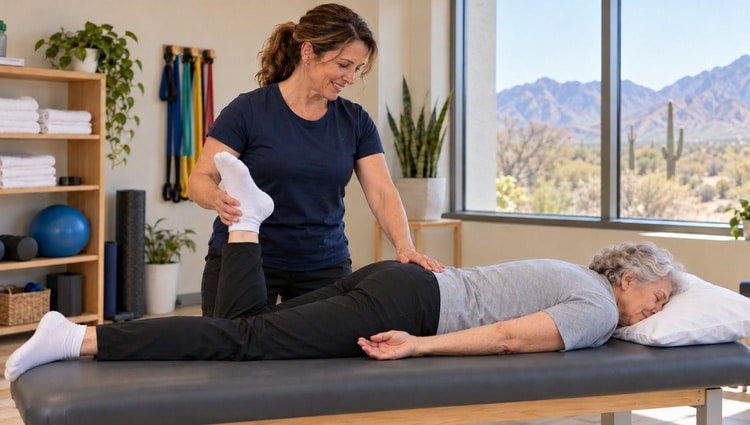
- Manual Therapy: When appropriate, our therapists use gentle hands-on techniques to address muscle tension, alleviate discomfort, and improve movement without placing unnecessary stress on hypermobile joints.
- Patient Education: We provide guidance on joint protection, activity modification, energy conservation, pacing strategies, and safe exercise techniques to help patients manage symptoms and maintain long-term progress.
Why Choose Sol Physical Therapy for EDS Care?
- Specialized EDS Expertise: Our EDS specialist understands the unique challenges associated with Ehlers-Danlos Syndrome and joint hypermobility, providing knowledgeable care tailored to these complex conditions.
- Whole-Person Approach: We recognize that EDS can affect more than just the joints, and consider factors such as chronic pain, fatigue, balance, and daily function when developing treatment plans.
- Individualized Care: Because EDS affects everyone differently, we tailor each treatment program to the patient’s specific symptoms, physical abilities, goals, and response to therapy.
- Comprehensive Services: We incorporate orthopedic rehabilitation, joint stabilization, balance training, pain management, and other therapeutic techniques to address the various challenges associated with EDS.
- Supportive Environment: We understand that many individuals with EDS have faced challenges obtaining a diagnosis or finding knowledgeable care. Our approach emphasizes listening to patients, understanding their experiences, and providing a supportive environment throughout treatment.
Frequently Asked Questions
Can physical therapy actually help Ehlers-Danlos Syndrome?
What type of EDS benefits from physical therapy?
Is exercise safe for people with EDS?
Yes, when appropriately prescribed and progressed carefully.
Can physical therapy help prevent joint dislocations and subluxations?
Improving muscular support, joint stability, and body awareness can help reduce their frequency.
Do I need a diagnosis of EDS to begin therapy?
Take the First Step Toward Better Stability and Function
Living with Ehlers-Danlos Syndrome doesn’t mean you have to accept constant pain, instability, or limitations. At Sol Physical Therapy, we’re committed to helping you build strength, improve confidence, and move more comfortably through everyday life.
Contact us today to schedule an evaluation and learn how specialized EDS physical therapy can help you achieve your goals.
Meet Our Specialists


Katherine McEwan, PT
Kathy was born and raised in Phoenix, Arizona. She attended the University of Arizona and played in the Pride of Arizona before transferring to Northern Arizona University to earn her Master’s in Physical Therapy in 1992.
She has spent her entire career in outpatient orthopedic physical therapy and enjoys seeing patients from age 4 weeks to 94 years old. She is SFMA I and II certified, certified in dry needling, has done work hardening and ergonomic assessments, and firmly believes in the power of manual therapy and the importance of patient involvement in their recovery and rehabilitation.
Outside of work, Kathy enjoys hiking, camping, and traveling with her husband. She is an avid sports fan (Go Cats!) and relaxes by playing piano.
What Our Patients Say...

I was very happy with my experience here. The staff was friendly and helpful. My therapist was excellent. All over a wonderful place to get therapy! Highly recommend!
- Holly W. (via Google Reviews)
I see 3 of the physical therapist there and feel like part of the family. I am treated with respect and my pains are very serious to them as they always put me first. Thank you SOL Physical Therapy!
- Dawn R. (via Google Reviews)
I have been to many different physical therapy places but of all the ones I have been to, I must say, SOL Physical Therapy is the best. All the therapists, techs and front office personnel are unbelievably friendly, knowledgeable and always willing to assist you and your questions. They never try and rush you through your therapy (and I have been places where that was definitely the case). I would recommend SOL to anyone that needs physical therapy, they are top notch!!
- Debbie A. (via Google Reviews)
Sol Physical Therapy is such an incredible place to go for physical therapy. I have been going for over a year and have never once had a problem. Everyone from the front desk staff, to the techs, to the physical therapists are extremely helpful, care about the patients, and will do whatever is needed to support you as the patient.
- Aimee K. (via Google Reviews)
We brought our 4 month old in to see AJ for torticollis. I am beyond happy we found this place as AJ was AMAZING with our son. He was personable and explanatory with everything and our son smiled so much during our visit while he was checking out his range of motion and doing stretches. We have upcoming appointments and though he is booked out a good month in advance it is WORTH the wait ten fold ⭐️⭐️⭐️⭐️⭐️
- Tali B. (via Google Reviews)
I have had the pleasure of seeing Stephanie L, Dan, Rachel, and Joe at the Fort Lowell location. They are all extremely knowledgeable and know how to make the experience fun, even when you are in pain. I would (and have) highly recommend them to anyone who needs PT or OT. Kailey at the front desk is always very kind and willing to help as well.
- Sarah G. (via Google Reviews)
The staff is amazing. Very knowledgeable therapists. The front office staff is very friendly. I can’t say enough about the practice but thank you to everyone.
- Paulla N. (via Google Reviews)
We took our daughter here to get evaluated for her torticollis. The staff was very friendly and helped us get set up with a few appointments at once. Our physical therapist AJ was very informative and was gentle with our baby. Definitely looking forward to coming back for future appointments.
- Nick T. (via Google Reviews)
I would not choose another place! Very professional and goes beyond to get you in at your convenience!
- D. A. (via Google Reviews)
The BEST! Philip is my Vestibular/Physical therapist. I have been diagnosed with bilateral, Superior Canal Dehiscence. Migraines, balance problems, hearing loss, the whole 9 yards. After a procedure to correct one side (done at UCLA), I had to find a "VRT". My husband and I absolutely love the results and improvements in my daily life. Thank you Philip, Patrick, Jessie, Jessa, A.J, Matt and Sharon, for the help you all provide to your patients!!
- D. Val (via Google Reviews)
We picked this physical therapy business randomly as it was close to home and they take my insurance. As it turned out, we were very pleased. The staff was very efficient and friendly. The thing that pleased me most was that they asked how things went since the last session. Then based on what I said, they tailored the day's exercises.
- Barbara S. (via Google Reviews)


Learn About All of Our Specialized Therapy Services:
- Orthopedic Therapy
- Certified Hand Therapy
- Occupational Therapy
- Sports Therapy
- Pediatric Therapy
- Pelvic Floor Therapy
- Perinatal Therapy
- Post-Concussion Therapy
- Vestibular Therapy
- Temporomandibular Joint (TMJ) Therapy
- Dry Needling