
Alicia Allie, PT, DPT, CHT
Chief Clinical Director, Certified Hand Therapist
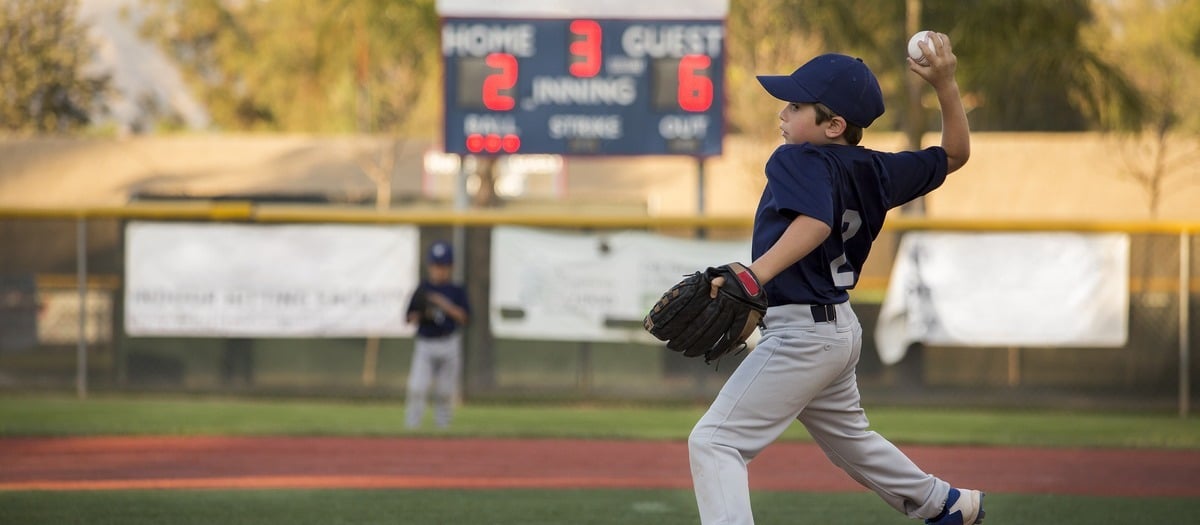
If your child has elbow or shoulder pain from baseball, especially from pitching or catching, you are not alone. Youth throwing injuries are increasingly common, but the good news is that many are preventable with the right approach.
At Sol Physical Therapy, we regularly work with young athletes dealing with arm pain from throwing. Understanding why these injuries happen is the first step in keeping your athlete healthy, strong, and on the field.
Why Youth Baseball Players Develop Elbow Pain
When a young athlete complains of pain on the inside of the elbow, most people assume the problem is at the elbow itself.
But in many cases, the elbow is not the root cause — it’s the symptom.
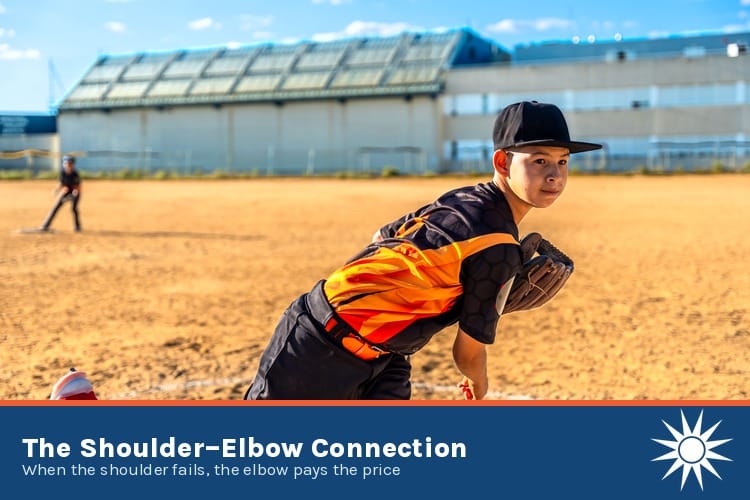
Throwing is a full-body movement. The stress that shows up at the elbow is often the result of breakdowns elsewhere in the body, especially at the shoulder.
In young athletes, this can lead to increased strain on structures like the UCL, particularly because their bodies are still developing.
Simple way to think about it:
If the shoulder is not doing its job, the elbow ends up paying the price.
How the Shoulder and Scapula Contribute to Injury
The shoulder — especially the rotator cuff — and the scapular (shoulder blade) muscles play a critical role in throwing.
They are responsible for:
- Stabilizing the shoulder joint
- Controlling the arm during acceleration and deceleration
- Transferring energy efficiently through the arm
When these muscles are weak or poorly coordinated, the body looks for stability elsewhere. That often shifts excessive stress to the elbow.
This is one of the most common reasons we see young baseball players develop persistent elbow pain.
The Role of Core and Hip Strength in Throwing
Throwing does not start at the arm — it starts from the ground up.
Core and hip strength are essential for:
- Generating power
- Controlling rotation
- Reducing stress on the shoulder and elbow
This is especially important for pitchers and catchers, who:
- Throw more frequently
- Throw with higher intensity
- Spend extended time in physically demanding positions
If the lower body is not helping well, the arm must do more than it should. This raises the risk of injury.
Why Young Athletes Are at Higher Risk
Most youth baseball players:
- Do not follow consistent strength programs
- Are still growing (with open growth plates)
- Play multiple seasons with repetitive throwing
This creates a high-demand, low-support situation.
The upside is that this is also where we can make the biggest impact. With the right training and guidance, people can prevent many of these injuries entirely.

How to Prevent Baseball Throwing Injuries in Kids
Prevention is where young athletes gain a real advantage.
Key areas to focus on:
- Rotator cuff strength
- Scapular control
- Core stability
- Hip strength
In addition, athletes benefit from:
- Movement assessments
- Proper throwing mechanics
- Smart workload management
Strength training at a young age is not about bulking up — it is about building a foundation for both performance and long-term health.

Signs Your Child May Be Developing a Throwing Injury
Parents should watch for:
- Elbow or shoulder pain
- Decreased throwing velocity or accuracy
- Fatigue earlier in games or practices
- Changes in throwing mechanics
These are early warning signs that the body is not handling the current workload well.
Ignoring them often leads to longer recovery times and more significant issues down the road.
When to Seek Physical Therapy for Arm Pain
One of the biggest mistakes we see is waiting too long.
Pain that lingers for weeks — or even months — becomes much harder to treat than something addressed early.
Working with a physical therapist can help:
- Identify the true source of the problem
- Correct movement patterns
- Build strength where it is lacking
- Safely guide return to throwing
At Sol Physical Therapy, we help young athletes recover from injuries. We also improve performance with targeted, sport-specific care.
Get Ahead of Shoulder and Elbow Pain
Youth baseball should be about development, confidence, and long-term success — not playing through pain.
If your child is dealing with shoulder or elbow pain from throwing, early intervention can make a significant difference.
Schedule an evaluation with our team. We will find the root cause and build a plan that helps your athlete stay healthy, strong, and at their best.
FAQs: Youth Baseball Arm Pain
Is it normal for my child’s arm to hurt after throwing?
Some mild soreness can be normal, especially during a busy season. However, persistent pain in the elbow or shoulder is not normal and should be evaluated to prevent more serious injury.
What causes elbow pain in youth baseball players?
Elbow pain is often caused by overuse and improper mechanics, but it is frequently linked to weakness or poor coordination in the shoulder and scapular muscles.
What is Little League shoulder?
Little League shoulder is a stress injury to the growth plate of the upper arm bone, typically caused by repetitive throwing. It is common in young pitchers and requires rest and proper rehabilitation.
How can I prevent throwing injuries in my child?
Prevention includes proper strength training, limiting throwing volume, focusing on good mechanics, and ensuring adequate rest between games and practices.
When should my child see a physical therapist for arm pain?
If pain lasts more than a few days, affects performance, or changes throwing mechanics, it is best to have it evaluated early to avoid more serious injury.
Alicia Allie, PT, DPT, CHT
Alicia is a Board-Certified Hand Therapist (CHT) with over a decade of experience treating complex upper extremity injuries. She specializes in helping patients recover from hand, wrist, and elbow conditions through individualized, evidence-based care focused on restoring function and reducing pain.
In her free time, Alicia enjoys staying active with her husband and two sons, including hiking, running, cycling, and watching college sports.