

Jacob Jeppson, PT, DPT
Orthopedic Physical Therapist
If you’re over 50 and living an active, independent life, it’s easy to assume fall prevention doesn’t apply to you. After all, you’ve never had a fall, so why worry?
Here’s the reality: falls often happen without warning, even in healthy, active adults. While we can’t eliminate every risk, we can dramatically improve how the body responds and recovers by training balance ahead of time.
At its core, balance training isn’t just about preventing falls. It’s about protecting your independence, your confidence, and your ability to stay active and mobile as you age.
For many adults, balance training after 50 is one of the most important yet overlooked aspects of long-term health and injury prevention.
Balance Declines Quietly But Progressively
Starting as early as our 50s, the systems that keep us steady begin to change:
- Muscle strength gradually decreases
- Joint mobility becomes more limited
- Reaction time slows
- Sensory systems, including vision, proprioception, and the body’s awareness of movement, become less efficient
These changes are subtle. Most people don’t notice them until something feels off or until a fall occurs.
That is why waiting for a warning sign isn’t a great strategy. By the time you feel unsteady, your body has often been compensating for a while.

I've Never Fallen Isn't a Safety Plan
One of the most common misconceptions is that fall prevention is only for people who have already fallen.
In reality:
- Many first falls happen in individuals with no prior history
- Falls often occur during routine activities such as walking, turning, climbing stairs, or navigating uneven ground
- A single fall can lead to reduced confidence, decreased activity, and a higher risk of future falls
Prevention isn’t about fear. It’s about preparation.
The goal of balance training is to improve your body’s ability to respond before a problem becomes an injury.
How Balance Training Changes Outcomes
Even with the best prevention strategies, not every fall can be avoided. But balance training can significantly improve how your body responds when something unexpected happens.
Balance training helps improve:
- Reaction time
- Protective responses
- Strength and coordination
- Body awareness
- Movement confidence
In many cases, people who regularly practice balance exercises are more likely to catch themselves before hitting the ground, regain control after a stumble, reduce the severity of a fall, and recover more quickly afterward.
Think of it this way: balance training doesn’t just help you avoid a fall. It helps your body handle challenges more effectively when they occur.
Strength Alone Isn't Enough
Many people focus on strength training or walking programs, both of which are important. However, strength alone does not fully address balance.
Balance is a skill that requires coordination between multiple systems throughout the body. It depends on:
- Muscle strength
- Joint mobility
- Coordination
- Body awareness
- Fast automatic responses to unexpected movement
Without training these systems together, the body may be less prepared to react when something goes wrong.
The Confidence Factor
There is also a mental side to balance.
Even without a prior fall, many adults become more cautious with movement over time. That hesitation can actually increase fall risk by reducing activity levels and limiting exposure to normal movement challenges.
Balance training helps you:
- Move with greater confidence
- Stay active and engaged in daily life
- Trust your body in unpredictable situations
- Maintain independence as you age
And staying active remains one of the most important factors in long-term health and mobility.

Real-Life Benefits You'll Notice
Balance training isn’t just about avoiding worst-case scenarios. It improves everyday life in meaningful ways.
Many people notice that:
- Walking on uneven surfaces feels easier
- Stairs feel more stable
- Turning quickly feels more controlled
- Stepping off curbs becomes more comfortable
- Daily tasks require less effort and concentration
It’s about moving through the world with ease rather than hesitation.
What Does Balance Training Look Like?
Effective balance training doesn’t have to be complicated.
A balance program may include:
- Standing on one leg
- Controlled weight shifting
- Heel-to-toe walking
- Hip and core strengthening exercises
- Dynamic movements that mimic real-world activities
The key is gradually challenging the balance system in a safe and structured way.

When Should You Consider a Balance Assessment?
Many people wait until after a fall to think about balance training. However, the best time to address balance concerns is before an injury occurs.
You may benefit from a balance assessment if you:
- Feel unsteady while walking
- Avoid uneven surfaces
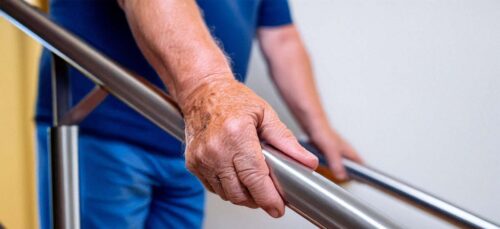
- Hold onto railings more than you used to
- Feel less confident on stairs
- Have experienced a near-fall
- Feel more cautious with movement than you once did
Identifying subtle balance deficits early can help you stay active and reduce your risk of future problems. While balance training is an important part of fall prevention, creating a safer home environment can also make a significant difference. Check out our Ultimate Guide to Preventing Falls at Home for practical tips you can implement today.
Why Work With a Physical Therapist?
A physical therapist does more than hand you a list of exercises.
They can:
- Identify subtle balance deficits you may not notice
- Evaluate your risk of falling
- Measure balance using validated outcome measures
- Develop a personalized balance training program
- Progress exercises safely as you improve
- Help build both physical capacity and confidence
Most importantly, they help you take a proactive approach before a problem develops.
The Bottom Line
You don’t need a history of falls to benefit from balance training.
In fact, the best time to start is before anything happens.
Balance training can help you:
- Stay independent
- Move confidently
- Reduce injury risk
- Maintain mobility
- Stay active longer
Balance is a skill. And like any skill, it improves with the right training.
If you’re over 50, consider balance training an essential part of your health routine, not an optional one.
If you’ve noticed changes in your balance, confidence, or mobility, schedule an appointment with Sol Physical Therapy to get a personalized balance assessment and treatment plan.
FAQs: Balance Training After 50
Can physical therapy improve balance?
Yes. Balance training provided by a physical therapist can improve strength, coordination, body awareness, mobility, and movement confidence. Many people experience noticeable improvements in stability and daily function.
What are the signs of poor balance?
Common signs include feeling unsteady while walking, difficulty on stairs, avoiding uneven surfaces, frequent stumbling, near-falls, or becoming more cautious with movement.
Is balance training only for seniors?
No. Balance can begin changing in your 50s and even earlier. Addressing balance proactively can help reduce fall risk and maintain independence as you age.
How often should balance exercises be performed?
The ideal frequency depends on your needs and current abilities. A physical therapist can recommend a program that is safe and appropriate for your goals.
Can balance training help prevent falls?
While no program can eliminate every fall risk, balance training can improve stability, reaction time, coordination, and confidence, all of which can help reduce the likelihood of falling.
What is a balance assessment?
A balance assessment is an evaluation performed by a physical therapist to identify balance deficits, measure fall risk, and determine which exercises may help improve stability and confidence.
Jacob Jeppson, PT, DPT
Jacob has experience working with individuals of all ages and backgrounds, focusing on improving movement, building strength, and returning patients to the activities that matter most to them. He emphasizes patient-centered, individualized care and values clear communication and evidence-based treatment.
In his free time, Jacob enjoys spending time with his wife and two cats, as well as playing video games and watching movies.